English| EUR
Suggested for you
More currencies
Choose a language
The Cotswolds is not a single site with a gate and a turnstile — it is an Area of Outstanding Natural Beauty spread across six counties, which changes how a visit is built. This how to plan a trip to the cotswolds guide sets out what is free, what is not, and which decisions matter before you leave. Read it as the frame; the sections below carry the timetables and route detail.
Quick answer
Entry to the Cotswolds region is free — 0 GBP — and the landscape is open 24 hours a day, seven days a week, with no closing time. Individual attractions inside it, such as houses, gardens and manors, set their own charges and hours. The recommended arrival window is 08:00–10:00, which clears the worst of the crowding in the better-known villages.
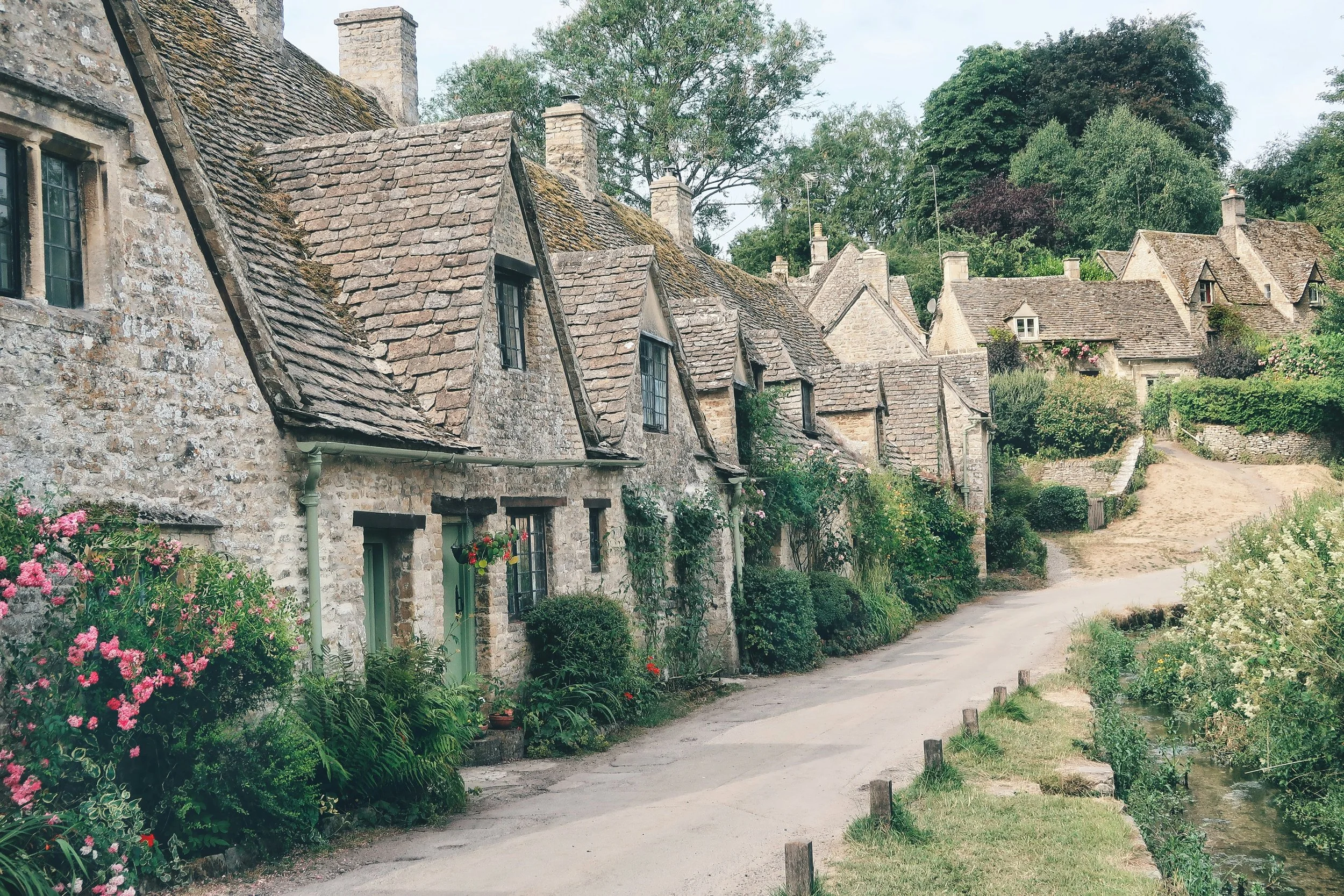
The Cotswolds covers roughly 800 square miles, making it the largest of England's designated National Landscapes — and yet the feature that defines it is geological rather than architectural. A single band of oolitic limestone runs beneath the whole escarpment, and because that stone was quarried locally for centuries, the cottages of Bibury, the wool churches of Northleach and the market squares of Chipping Campden all share the same honey colour. Learning how to plan a trip to the cotswolds begins with accepting that the destination is a geology, not an address. That has practical consequences. There is no perimeter, no ticket office and no closing hour; the region is accessible at any point on the calendar. The 0 GBP figure covers the landscape itself — the ridgeways, the drystone walls, the Cotswold Way footpath running 102 miles from Chipping Campden to Bath. What sits inside it is a different matter. Blenheim Palace, Sudeley Castle, Hidcote and the arboretum at Westonbirt are individually managed, individually priced and individually timed, and a Cotswolds day trip that ignores this distinction tends to arrive at a locked gate. Anyone assembling a Cotswold villages itinerary should treat the region as free scaffolding on which paid stops are hung. Distance is the second constraint. Villages that read as neighbours on a map — Bourton-on-the-Water, Stow-on-the-Wold, Lower Slaughter — are separated by single-track lanes with passing places, and journey times run well above what mileage suggests. Public transport is thin between the smaller settlements; the market towns are better served than the hamlets. Coach and guided Cotswolds tours exist partly because of this, and partly because parking in the honeypot villages is limited to a handful of signed car parks that fill by late morning in summer. With that context, how to plan a trip to the cotswolds becomes a sequencing problem rather than a booking one. Decide first how many stops the day can carry — three villages is realistic, five is not — then anchor the route around whichever paid attraction has the tightest opening window, and let the free landscape fill the space between. The dedicated sections that follow handle arrival timing, transport, sequencing, costs and what to bring.
“The region is free scaffolding on which paid stops are hung.”
The best arrival window for your visit is 08:00–10:00, which allows you to experience popular villages before peak tourist crowds arrive. Arriving early ensures quieter streets and easier navigation through the region's market towns.
Mild, 10°C to 18°C; ideal for walking. Enjoy the countryside as gardens begin to flourish and temperatures rise.
Warm, 15°C to 23°C; longest daylight hours. This period offers the most reliable weather for outdoor exploration.
Cooler, 8°C to 16°C; golden colors emerge. The landscape changes significantly as the trees turn during these months.
—;—, best for village photography. Mid-week travel provides a quieter atmosphere than weekend peak hours.
Verdict: The best time to visit is mid-week between April and May or September and October, ensuring you arrive between 08:00–10:00 to avoid congestion.
The Cotswolds are located northeast of Bristol, accessible primarily via the M4 and M5 motorway network or regional rail lines. Private transport offers the most flexibility for navigating between the area's dispersed villages.
M4 and A46 to the southern Cotswolds
Great Western Railway from Bristol Temple Meads to Kemble
National Express to Cheltenham, then local connection
Arriving within the best arrival window of 08:00–10:00 ensures easier access to parking in popular market towns. For those preferring a structured experience, professional tours depart from Bristol to simplify travel logistics.
This one-day plan suits first-time visitors covering the southern and central Cotswolds in a single loop, running roughly eight hours from village to village. The route is ordered geographically so each leg is a short hop rather than a backtrack.
Walk the single main street past the Market Cross and St Andrew's Church, allow 45 minutes. The village car park sits a few minutes' walk uphill from the centre, so factor that into your timing.
Browse the Market House and the antique shops along Long Street, then descend the Chipping Steps, around an hour. Shops here typically open later than the streets themselves.
See the weavers' cottages at Arlington Row and the trout farm alongside the River Coln, roughly an hour. The row is a residential terrace, so keep to the footpath.
Break for a meal beside the low stone footbridges over the River Windrush, allow 90 minutes. The village is compact and entirely flat underfoot.
Walk the mile-long riverside path between the two villages past the Old Mill, about an hour. The path is unpaved in places.
Finish at the Market Square and St Edward's Church with its yew-flanked north door, 45 minutes. Most independent shops close by 17:00.
Add Broadway's wide green and High Street if daylight allows, around 45 minutes. Otherwise use this window for the journey back.
The Cotswolds as a region requires no admission fee for entry. Individual attractions within the villages and towns may charge their own specific entrance fees.
Verdict: The region itself is free to enter, with total costs depending solely on the specific attractions you choose to visit.
Work through these preparation steps in order, starting several weeks out and finishing the morning you set off.
Everything you need to know about how to plan a trip to the cotswolds
To learn how to plan a trip to the cotswolds, start by identifying the market towns you wish to visit. Organizing your itinerary geographically will help you minimize travel time between honey-colored stone villages and rolling hills.
When considering how to plan a trip to the cotswolds, many travelers choose to base themselves in a central hub. Utilizing local transport or a pre-arranged tour can simplify navigating the winding country lanes and rural landscapes.
The best arrival window is 08:00–10:00, as arriving early helps avoid peak tourist crowds in popular villages and market towns. Planning your day around this window ensures a more peaceful experience at iconic landmarks.
The Cotswolds region has an entrance fee of 0 GBP. Please note that while the region itself is free to access, individual attractions such as historic manors or gardens may charge their own fees.
If you are researching how to plan a trip to the cotswolds departing from Bristol, look into shuttle services or private transport options. Dedicated tour providers often offer convenient departures that handle the logistics of regional travel for you.
For a comfortable trip to this Area of Outstanding Natural Beauty, pack sturdy walking shoes for uneven footpaths. As weather in the English countryside can be variable, carrying a waterproof layer is also advisable regardless of the season.
Booking a professional Cotswolds day tour is an excellent way to see the region without the stress of driving. These services offer curated experiences that cover the history and architecture of the area efficiently.