English| EUR
Suggested for you
More currencies
Choose a language
The region has no single gateway station, which is why the question of how to travel from Bristol into the hills rarely has a one-line answer. This Cotswolds from Bristol by train guide explains which lines reach the area, which market towns they serve, and how far the villages sit from the platform. Arrival timing is covered too, including the window that keeps the honey-stone streets quiet.
Quick answer
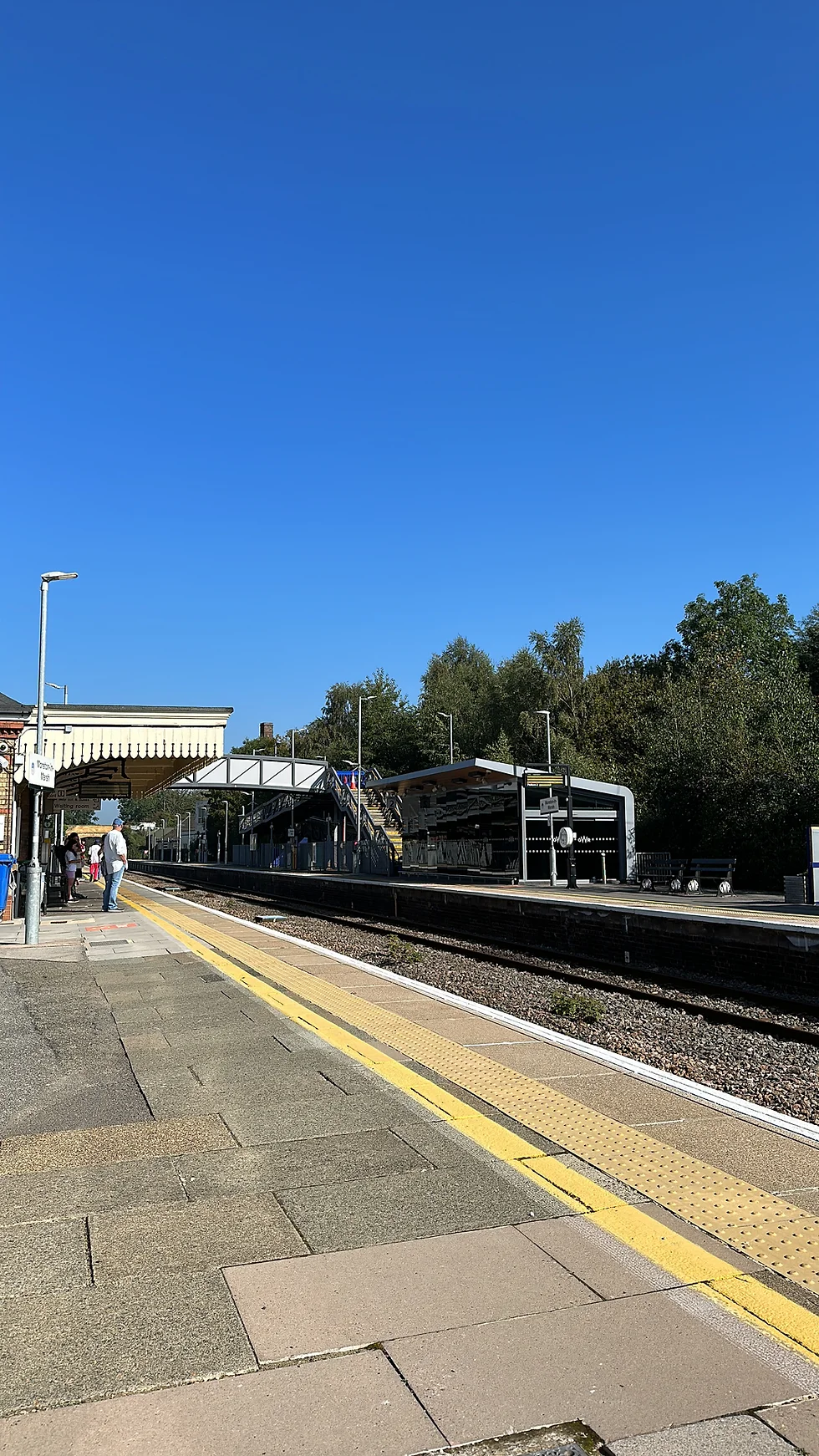
Entry to the Cotswolds is free — 0 GBP — and the region is open around the clock, 00:00–23:59 every day, so a rail trip from Bristol is limited only by timetables and daylight. Trains serve market-town stations such as Cheltenham Spa, Kemble, Stroud and Moreton-in-Marsh, not the villages themselves. Aim to arrive between 08:00 and 10:00. Individual attractions charge separately.
Some of the region's most photographed villages have never had a railway station, and several that did lost them during the Beeching closures of the 1960s. That single fact shapes every attempt to reach the Cotswolds from Bristol by train. The network skirts the escarpment rather than climbing into it. Lines run north from Bristol Temple Meads through Gloucester towards Cheltenham Spa, east through Swindon to Kemble, and down the Golden Valley into Stroud. Each of those places sits on or beside the limestone hills. None of them is Bibury, Bourton-on-the-Water or Castle Combe. The consequence is that this is a problem of geography, not timetables. The Cotswolds National Landscape spreads across several counties, and its stations stand in the market towns while the villages sit in the valleys between them, linked by lanes, footpaths and a thin rural bus network. A Bristol to Cotswolds rail journey works best when the station is treated as a hinge rather than an endpoint. Kemble opens Cirencester and the Thames Head springs. Moreton-in-Marsh, on the Cotswold Line, sits within reach of Stow-on-the-Wold and Chipping Campden. Stroud puts the mill valleys and Painswick within an afternoon's walking. Cam & Dursley serves the western scarp and the Berkeley Vale. Which station matters depends entirely on which villages a traveller has in mind, and that decision should be made before any Great Western Railway service is chosen. Three practical habits separate a good day from a frustrating one. Read the map first and pick one cluster of villages rather than three. Check whether the last leg is a walk, a taxi or a bus, because rural services thin out sharply after mid-afternoon and on Sundays. And treat the walking network as part of the transport plan: the Cotswold Way runs the length of the escarpment from Bath to Chipping Campden, passing close to Stroud and Cheltenham, and it turns short station hops into a proper day out. The official regional site, cotswolds.com, keeps village-level listings current. Planned in that order, a Cotswolds day trip by rail stops feeling like a compromise, and travelling to the Cotswolds from Bristol by train becomes the simplest way into the hills.
“Trains from Bristol put a traveller on the edge of the escarpment; the villages begin where the platform ends.”
The Cotswolds are accessible from Bristol Temple Meads via the national rail network, which connects to several key gateways on the region's periphery. From these stations, further local transport or taxis are necessary to reach specific villages.
GWR service Bristol Temple Meads to Kemble
GWR service Bristol Temple Meads to Stroud
GWR service Bristol Temple Meads to Moreton-in-Marsh (via Swindon)
Local connecting services from rail stations to villages
Best arrival window: 08:00–10:00 — Arriving early helps avoid peak tourist crowds in popular villages.
This plan suits a first-time visitor travelling from Bristol without a car, using Moreton-in-Marsh as the rail hub and local buses for the villages. Allow roughly nine hours door to door, including about two hours of travel each way.
Board the service towards Moreton-in-Marsh, changing at Bristol Parkway or Oxford depending on the timetable. Journey time runs around two hours, so check connection gaps before you commit to a return time.
Walk the High Street and Market Square, which sit directly outside the station and take about 40 minutes to cover on foot. Tuesday brings the weekly market, which fills the street and slows movement.
Take the local bus roughly 10 minutes south to Stow. Buses are infrequent outside weekdays, so photograph the return timetable at the stop before boarding.
Circle the square, St Edward's Church with its yew-framed north door, and the antique shops along Sheep Street. Two hours is comfortable, including lunch.
Continue by bus about 15 minutes to Bourton. Walk the River Windrush footbridges and the Model Village, allowing 90 minutes; the central footpaths are the most congested part of the day.
Catch the bus back, allowing a 20-minute buffer for delays on single-track lanes. Use the wait at the station for tea rather than risking a missed connection.
Board the return service and arrive in Bristol by early evening. Later trains often require an extra change, so the mid-afternoon departure is the simpler option.
The Cotswolds region is a designated Area of Outstanding Natural Beauty that maintains free public access. Admission costs depend entirely on which individual attractions, historic sites, or museums you choose to visit once you arrive.
Verdict: A typical visitor pays 0 GBP for regional entry, with total costs fluctuating based on individual attraction admission fees.
A few checks in the weeks and days before you travel will keep a Bristol-to-Cotswolds rail day running smoothly.
Everything you need to know about cotswolds from bristol by train
Yes, you can easily plan a trip to the cotswolds from bristol by train by using the national rail network. The journey typically involves a connection at stations such as Cheltenham Spa or Gloucester before heading into the heart of the countryside. Traveling to the cotswolds from bristol by train allows you to experience the scenic landscape without the stress of driving. Once you arrive at the nearest rail hub, local bus services or pre-booked private transfers can complete your journey into the Area of Outstanding Natural Beauty. Moreton-in-Marsh and Kemble are two primary gateways providing access to many classic English limestone villages. Arrival times vary depending on your specific destination and choice of connections within the rail network. There are no direct rail lines covering the entire distance, so expect at least one change. It is helpful to plan your itinerary carefully as the cotswolds from bristol by train requires navigating regional transit schedules. The region itself has an entrance fee of 0 GBP as it is a public area, though individual museums or gardens may charge separate fees. Arriving between 08:00–10:00 is recommended to avoid peak tourist crowds in the most popular villages. Navigating the Cotswolds via train and bus is possible, though some smaller hamlets have limited public transport coverage. While you do not need to book entry to the region, purchasing your rail tickets in advance can offer significant savings.